

TorontoDancehall.com | Music & Culture
Reggae music was built on the power of live instrumentation. From deep basslines and driving drum rhythms to the unmistakable sound of guitars, keyboards and horns, the musicians behind the singers have always played an essential role in creating the reggae concert experience. But as more artists turn to backing tracks and digital technology, an important question is emerging: are live reggae bands becoming a thing of the past?
When the Band Was Part of the Experience
For generations, attending a reggae concert meant experiencing something different from simply listening to a recording.
A live band could extend a song, change its arrangement, introduce a dub section or respond spontaneously to an artist’s performance. The bass player and drummer provided the foundation, while the other musicians helped create an atmosphere unique to that particular night.
That interaction was part of reggae’s identity.
Today, however, not every reggae or dancehall performance features a full backing band. Some artists perform with a DJ, recorded instrumentals or digital playback systems.
Although these approaches can deliver entertaining shows, they also raise questions about what audiences expect when purchasing tickets to a live concert.
Bounty Killer Calls for More Live Musicianship
Dancehall veteran Bounty Killer addressed the issue in a July 2025 interview with the Jamaica Observer.
He encouraged younger performers to develop their skills alongside live musicians, arguing that relying heavily on recorded vocals and backing tracks can limit an artist’s development as a stage performer.
His comments highlight an important distinction: recording a successful song and delivering a convincing live performance require different skills.
Working with a band demands rehearsal, timing, vocal control and the ability to respond to musicians in real time.
These are skills that many established reggae and dancehall entertainers developed through years of performing.
The Financial Reality of Touring
The shift away from live bands is not necessarily about artists abandoning musical tradition.
For promoters and performers, the economics of touring have become increasingly important.

A full backing band requires musicians’ fees, rehearsals, transportation, accommodation, equipment and technical support.
For international performances, those expenses can become substantial.
In 2023, the Jamaica Observer reported concerns from industry representatives about the high cost of staging live concerts compared with sound-system-based events.
Technology now provides an alternative.
In 2025, World Music Views reported on Shaggy’s use of Ableton Live to manage musical arrangements without depending on a full touring band.
Digital playback can reduce costs, simplify production and help performers reproduce familiar recordings consistently.
For smaller promoters and independent artists, these advantages can make the difference between staging a show and cancelling it.
What Happens to the Musicians?
There is another side to the discussion that deserves attention.
When fewer concerts employ live backing bands, opportunities for professional musicians can also diminish.
Drummers, bass players, guitarists, keyboardists and horn players depend on performances for income, exposure and professional development.
Live shows also provide younger musicians with opportunities to learn from experienced performers.
If those opportunities become less common, the effects could eventually extend beyond the concert stage into recording studios and the wider reggae industry.
The issue is not simply nostalgia. It is also about maintaining the musical infrastructure that supports reggae’s future.
What Does This Mean for Toronto?
Toronto has a long-standing connection to Jamaican music, supported by reggae artists, musicians, sound systems, promoters and audiences.
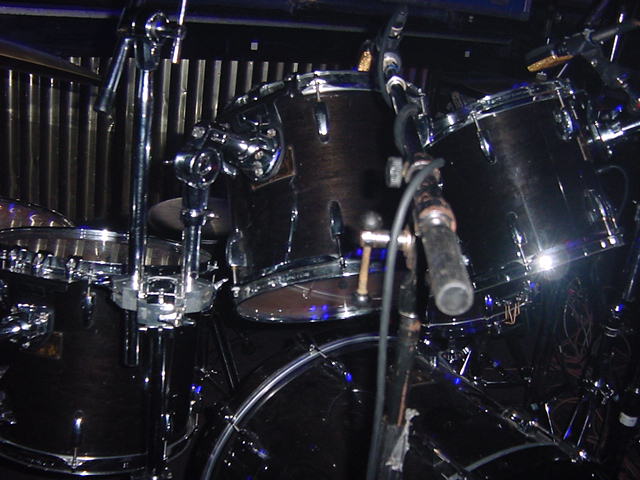
For Toronto concertgoers, the discussion raises an interesting question about the kind of performances they want to experience.
A DJ-backed show may deliver the hits, energy and audience interaction fans expect. A full live band can offer something different: spontaneous arrangements, musical improvisation and a performance that cannot be reproduced exactly the same way twice.
Both approaches have a place in Jamaican music culture.
The challenge is ensuring that live musicianship remains a viable option rather than becoming a luxury reserved for major festivals and well-funded tours.
Can Reggae Keep Its Live Sound Alive?
Technology has always influenced the evolution of Jamaican music, from sound-system culture to digital riddims and modern music production.
There is no reason that live bands and digital performance methods cannot coexist.
Promoters could explore shared backing bands for multi-artist concerts, while established performers could create opportunities for younger musicians through selected live-band appearances.
Audiences also have a role to play by supporting concerts that feature live musicians.
Ultimately, reggae’s future should leave room for both innovation and tradition.
The question is not whether every reggae artist must travel with a full band.
The bigger question is whether the industry is doing enough to preserve the musicianship that helped make reggae music internationally respected.
And perhaps the most important question belongs to the fans:
When you pay to attend a reggae concert, do you expect to hear a live band, or is a DJ and backing tracks enough?
TorontoDancehall.com — Toronto to the World.